




















The Chancellor’s Autumn Statement feels chaotic, with policies appearing and disappearing without providing drivers with clear guidance. This Budget offers little stability for motorists who are already facing higher insurance premiums, rising borrowing rates, and ongoing inflation. While the government claims it is supporting working households and UK businesses, many drivers will find it difficult to discover anything that genuinely makes their lives easier.
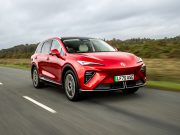
The proposed 3p-per-mile tax on electric vehicles (EVs) and 1.5p-per-mile tax on plug-in hybrids is a mistake that will harm sales. An average EV driver covering 10,000 miles annually will face an additional £300 in costs, along with the inconvenience of reporting mileage and uncertainty about the final bill. Who can accurately forecast their mileage for the following year? This tax sets a concerning precedent, where today’s 3p could easily rise to 4p, 5p, or even 10p in the future. Such changes will deter potential EV buyers, even though the tax does not take effect until 2028.
Freezing fuel duty creates a confusing message. While the government raises taxes on EV owners, it shields petrol and diesel drivers but still encourages people to switch to electric cars. Cancelling fuel duty increases for over ten years reveals the system’s flaws. Cancelling a rise each year isn’t a serious policy; it amounts to political posturing.
On a positive note, raising the luxury car tax threshold from £40,000 to £50,000 is a good step forward. However, postponing this change until April 2026 might cause buyers to delay their decisions, which could slow sales. If you’re considering a car priced between £40K and £50K, why buy now when it will be £2,400 cheaper in April 2026?
Postponing changes to the Employee Car Ownership Scheme (ECOS) until next year is another example of avoiding decisions. Either commit to the policy or abandon it; this uncertainty harms both new and used car supplies and highlights the UK’s focus on registration figures rather than actual sales. The cycle of pre-registered demonstrators continues to cause issues.
While extra funding for EV grants benefits manufacturers, it doesn’t support those who need help most. A grant for used EVs linked to a scrappage scheme would better assist lower-income drivers in switching from outdated petrol and diesel cars. The current approach isn’t helping today’s buyers or those looking to switch to used EVs.
Changes to the Motability scheme could be advantageous if they concentrate on supporting affordable, locally produced vehicles. With only about 7% of Motability cars manufactured in the UK, aiming for 25% by 2030 seems inadequate. The Motability scheme is crucial for independence, but its rapid growth and the inclusion of expensive models raise questions about its value to taxpayers.
Although the additional £200 million for EV charging infrastructure is welcome, it should prioritise areas lacking private investment. Planning applications also need to be processed more quickly to facilitate the installation of new chargers. However, there was no mention of capping public charging prices or reducing VAT for those who rely on public charging. The Chancellor continues to penalise those without private parking, missing an opportunity to help lower-income households switch to electric vehicles.
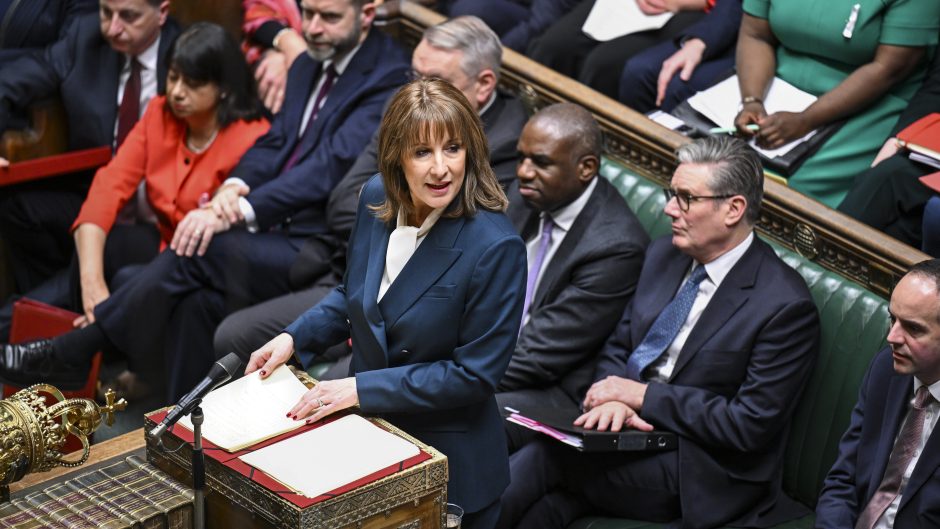
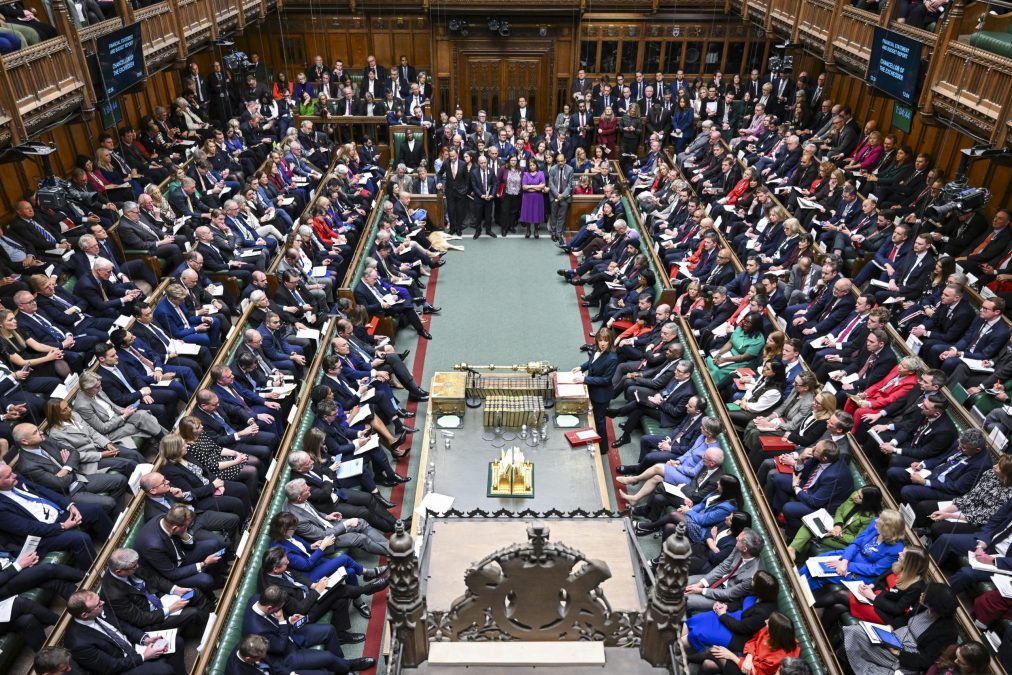
The rollout of the Budget appears to have been poorly managed, owing to leaks before its announcement, which may risk undermining the proposed policies. Many people appeared to know key measures before the Chancellor spoke in Parliament, creating confusion rather than clarity or confidence.
FAQ’s…
What are the main concerns regarding the proposed taxes on electric vehicles and hybrids in the Autumn Statement?
The proposed 3p-per-mile tax on EVs and 1.5p-per-mile on hybrids could increase costs for drivers, discourage EV adoption, and set a worrying precedent for future tax rises, despite not taking effect until 2028.
Why does freezing fuel duty create confusion according to the Autumn Statement review?
Freezing fuel duty sends mixed messages since it increases taxes on EV owners while protecting petrol and diesel drivers, and cancelling scheduled duty hikes appears to be more political posturing than a clear policy.
How might delaying the luxury car tax threshold increase affect car buyers?
Delaying the increase from £40,000 to £50,000 until April 2026 may cause potential buyers to postpone purchasing decisions, potentially slowing sales because cars within that price range will be cheaper after the change.
What are the implications of postponing changes to the Employee Car Ownership Scheme (ECOS)?
Postponing ECOS reforms creates uncertainty that affects both new and used car markets, with ongoing issues related to pre-registered demonstrator vehicles and a focus on registration numbers rather than actual sales.
What improvements are suggested for the Motability scheme based on the Autumn Statement?
It is suggested that the scheme focus on supporting affordable, locally manufactured vehicles and that targets for UK production, such as increasing from 7% to 25%, should be prioritized to enhance the scheme’s value to taxpayers.