




















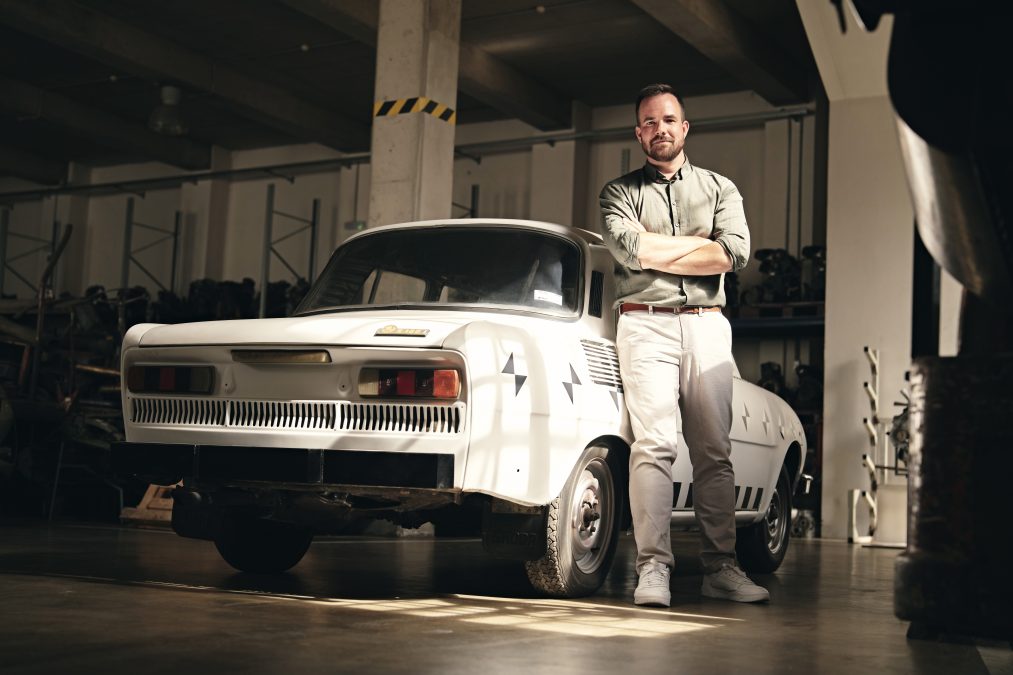
Škoda has a rich history in the automotive world. Notable models such as the original 1950s Octavia and the 1930s Superb have influenced Škoda’s design teams as they develop modern cars. Now, Škoda is introducing an all-electric version of the Škoda 100, the brand’s first-ever model to sell a million units.
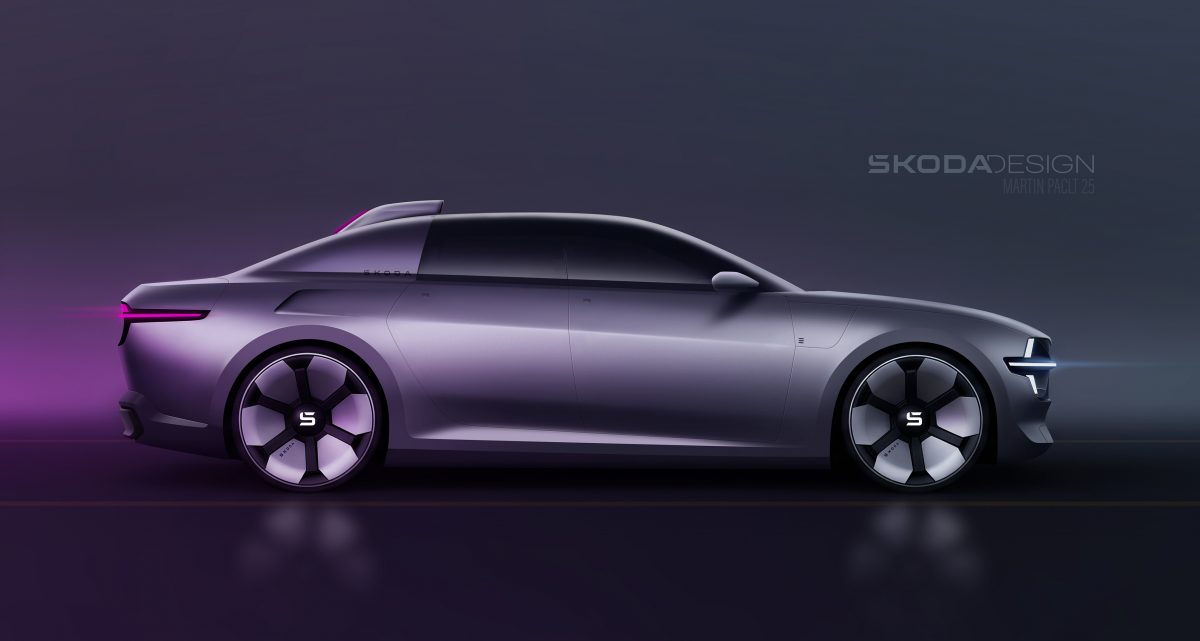
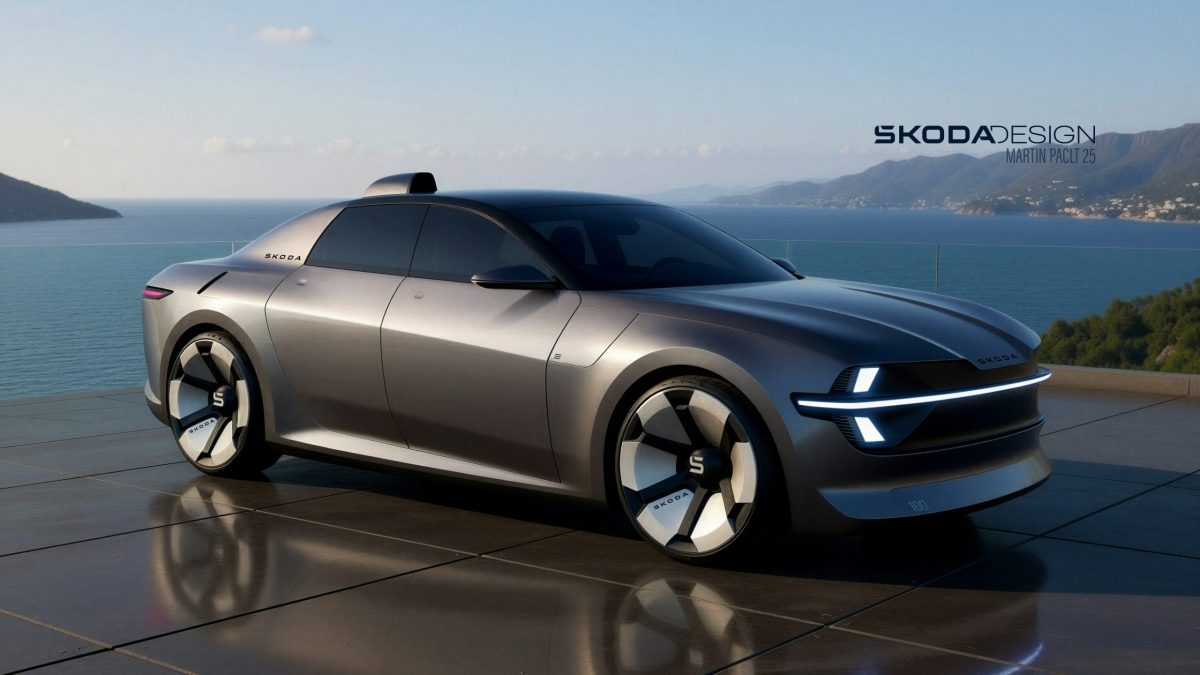
This design study by exterior designer Martin Paclt reimagines the cherished 1960s model with contemporary features. The resulting design shows how this classic car could appear today. Known for its simple engineering and reliability, the Škoda 100 remains an important part of the brand’s heritage and is treasured by classic car enthusiasts.
From the outset, Paclt aimed to avoid creating a retro copy. Instead, he sought to preserve the spirit of the original through its form and character. The new model has a contemporary appearance with smooth surfaces and bold volumes that echo the classic design.
New elements, like a four-element lighting signature and full-width lights at the front and rear, connect the design to the present day while still referencing the chrome details and the distinctive rear vent of the historic Škoda 100.
One of the most interesting changes is at the back of the car. Paclt rethought the original’s nearly identical front and rear windows, ultimately deciding to remove the rear window altogether. This allows the rear of the car to blend seamlessly with the front’s design, creating a distinctive appearance. Paclt aims to make a bold statement with this decision, stating that it should evoke emotion, which is the goal of good design. The oval design around both ends of the car also pays tribute to the classic Škoda 100.
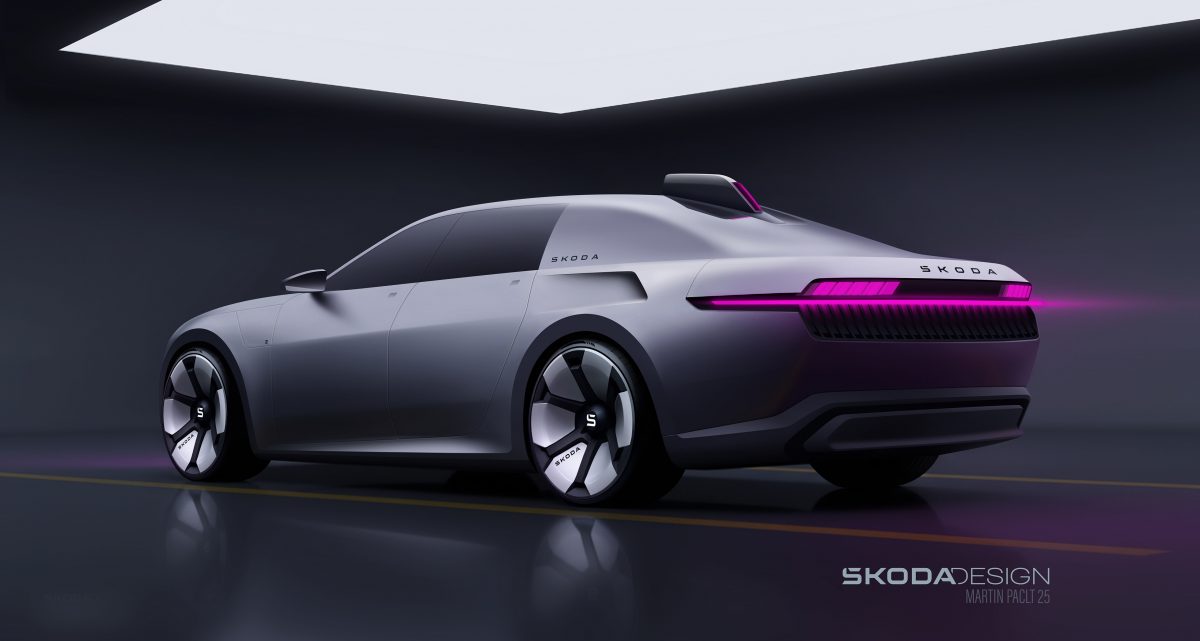
This unconventional design opens up new possibilities. The lack of a rear window allows a fresh-air intake system to be mounted above the roof, with small vents on the rear sides. Paclt explains that even electric vehicles require cooling, and the high-intake placement not only works well but also highlights the technology behind the cabin. It also hints at the original Škoda 100’s rear-engine setup.
The design process began with hand sketches. Paclt used pencils and crayons to quickly explore ideas and identify those with potential. Once he had a clear direction, he refined and further developed the concept.
Interestingly, the idea is based on the current Superb model. Paclt wanted the new Škoda 100 to be somewhat larger and to have a commanding presence on its wheels.
Building on that foundation, Paclt designed the 3D model that now acts as a striking, contemporary homage to a Škoda icon. While Škoda has no plans to manufacture the 100 concept, the knowledge gained during its development will impact future ventures.
For more on this and the complete Skoda range, you can click here: http://www.skoda.co.uk/
Key Points…
- Heritage and Modernisation of the Škoda 100: The design study reimagines the classic Škoda 100 with contemporary features, blending traditional elements with modern styling to honour its heritage.
- Design Philosophy and Inspirations: The designer aimed to preserve the spirit of the original Škoda 100 without creating a retro copy, focusing on smooth surfaces and bold volumes that echo the classic’s character.
- Distinctive Design Features: New elements like a four-element lighting signature, full-width lights, and a seamless rear design with no rear window connect the car to the present while referencing historic details.
- Innovative Rear Design and Cooling System: The removal of the rear window allows for a high-positioned air intake, highlighting the electric drivetrain technology and recalling the original rear-engine setup of the 100.
- Development Process and Future Impact: The concept was developed from hand sketches based on the current Superb, and while not intended for production, it provides valuable insights for Škoda’s future designs.